Introduction
We live in a time when information moves faster than ever. News spreads across television, social media, podcasts, and digital platforms within seconds. While this access to information can be powerful, it also presents new challenges.
This is why media literacy is becoming one of the most important skills communities can develop.
Understanding Media Literacy
Media literacy is the ability to analyze, evaluate, and interpret the information we consume. It helps people distinguish between reliable journalism, opinion, misinformation, and manipulated content.
When communities develop strong media literacy skills, they become better equipped to:
- Identify credible sources
- Recognize bias and misinformation
- Understand how media narratives shape public perception
- Participate more effectively in civic discussions
Why It Matters Today
The rise of digital media has dramatically changed how people consume information. Social media platforms can spread both accurate reporting and misleading content at incredible speed.
Without the tools to evaluate information critically, audiences may struggle to separate fact from opinion.
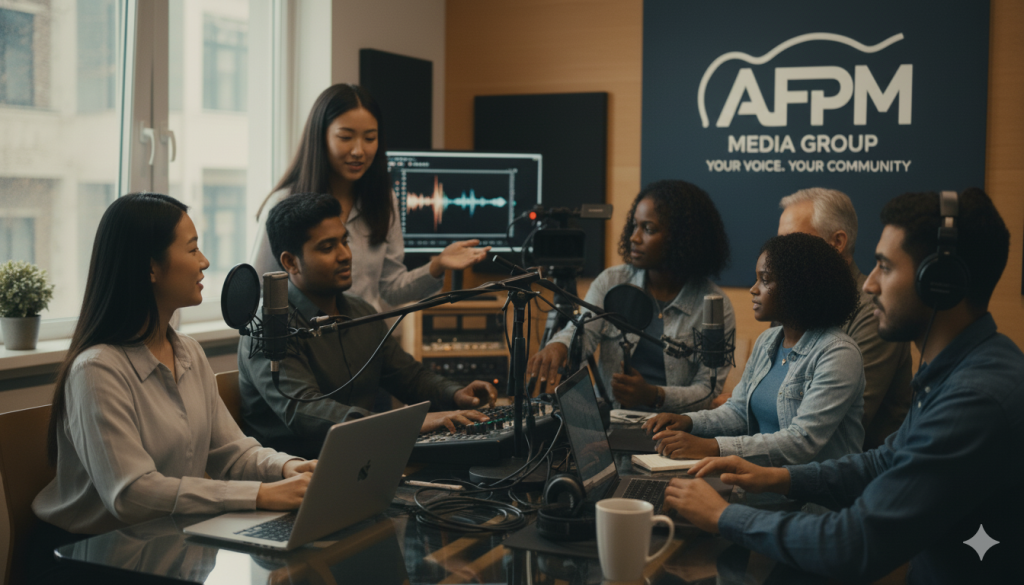
Community organizations such as AFPM Media Group are working to address this challenge through media literacy workshops designed to help individuals better understand today’s complex media environment.
Building Informed Communities
An informed community is an empowered community. By teaching people how media works and how to evaluate the information they encounter, media literacy programs strengthen democratic participation and community dialogue.